
Endometriosis Clinic Washington DC | Washington Expert Endometriosis Treatment & Surgery

Endometriosis Clinic Washington DC | Washington Expert Endometriosis Treatment & Surgery

Finding the Right Endometriosis Specialist in Washington DC: A Comprehensive Guide

A young woman holding her side with her hands. Gynecological problems, cyst, inflammation of ovary Cropped shot of a young woman holding her side with her hands isolated on a white background. Ache in the lower abdomen. Stomach pain. Gynecological problems, cyst, inflammation of the ovary Endometriosis stock pictures, royalty-free photos & images

Endometriosis is a chronic gynecological condition that affects millions of women worldwide, often leading to significant physical, emotional, and social challenges. This complex disease occurs when endometrial-like tissue, typically found lining the uterus, grows outside the uterine cavity. A comprehensive understanding of recent evidence and clinical guidelines is crucial for improving patient outcomes.

Epidemiology and Prevalence

Endometriosis affects approximately 10% of women of reproductive age globally. While it can occur in adolescents and postmenopausal individuals, the majority of cases are diagnosed between the ages of 25 and 35.

Recent Advances in Understanding

The pathophysiology of endometriosis remains complex and multifactorial.

  • Retrograde Menstruation:The backward flow of menstrual blood into the pelvic cavity may deposit endometrial cells that implant and grow.
  • Genetic Predisposition:Family history increases susceptibility to developing endometriosis.
  • Immune Dysregulation:Alterations in immune function may prevent clearing ectopic lesions.
  • Stem Cell Theory:Stem cells in menstrual blood may differentiate into endometrial-like tissue outside the uterus.

Recent studies also highlight a possible role for epigenetics in disease progression.

Theory Overview Evidence Level
Retrograde Menstruation Menstrual blood flows backward into pelvic cavity High
Genetic Factors Family history linked to higher risk Moderate
Immune Dysregulation Impaired immune response allows lesion survival Emerging
Stem Cell Theory Misplaced stem cells create ectopic growth Emerging

Challenges in Diagnosis

  • Symptoms Overlap:Symptoms often mimic other gynecological conditions such as pelvic inflammatory disease or irritable bowel syndrome.
  • Diagnostic Delay:On average, there is a delay of 7–10 years from symptom onset to diagnosis.
  • Gold Standard Tests:Laparoscopy is considered the gold standard diagnostic method but carries surgical risks.

Guideline Recommendations

  1. Minimally Invasive Diagnostics:Increased use of imaging tools like transvaginal ultrasound (TVUS) or MRI for initial evaluation.
  2. Multidisciplinary Care Teams:Collaboration among gynecologists, pain specialists, psychologists, and fertility experts for comprehensive management.

By aligning clinical practice with recent evidence-based findings, healthcare providers can better manage this debilitating condition—improving not only symptom relief but also long-term health outcomes for individuals living with endometriosis.

Understanding Washington Endometriosis: Mechanisms of Pain and Quality of Life Impact

Endometriosis, a chronic gynecological condition, is often characterized by debilitating pain. The mechanisms underlying this pain are multifaceted and complex, involving inflammatory, neurological, and hormonal processes.

Exploring Endometriosis Surgery in Washington DC and Its Impact on Pain Management

  1. Endometrial-like tissue outside the uterus triggers a local inflammatory response.
  2. This inflammation releases cytokines and prostaglandins, which sensitize nearby nerve endings.
  3. Chronic inflammation contributes to persistent pain.
  4. Nerve fibers grow into endometriotic lesions over time (a process called neuroangiogenesis), increasing sensitivity.
  5. Central sensitization may occur, where repeated pain signals heighten the brain’s response to stimuli.
  6. Referred pain can amplify discomfort in areas beyond the pelvis.
  7. Estrogen stimulates the growth of ectopic endometrial tissue and intensifies inflammation.
  8. Hormonal fluctuations during the menstrual cycle exacerbate symptoms such as dysmenorrhea (painful periods).

Understanding Pain Types with an Endometriosis Doctor in Washington DC

  • Dysmenorrhea: Severe menstrual cramps that are often unresponsive to conventional analgesics.
  • Chronic Pelvic Pain: Persistent non-cyclic pelvic discomfort lasting six months or longer.
  • Dyspareunia: Pain during intercourse due to pelvic organ involvement or adhesions.
  • Dyschezia and Dysuria: Painful bowel movements or urination when lesions affect the bowel or bladder.

How an Endometriosis Expert Washington DC Can Improve Quality of Life

Domain Impact
Physical Health Reduced mobility due to chronic pain; fatigue from sleep disturbances caused by discomfort.
Mental Health Increased risk for depression and anxiety stemming from persistent symptoms.
Social Well-being Strained relationships due to sexual dysfunction or difficulty planning social activities.
Work Productivity Frequent absences from work; difficulty concentrating due to unmanaged symptoms.

Improving Quality of Life at Our Endometriosis Center Washington DC

  • Pharmacological treatment for symptom management (e. g. , NSAIDs or hormonal therapy).
  • Physical therapy focusing on pelvic floor rehabilitation.
  • Psychological support addressing anxiety and depression through counseling or cognitive-behavioral therapy.
  • Anti-inflammatory diets rich in omega-3 fatty acids may help reduce systemic inflammation.
  • Regular exercise improves circulation while reducing stress-related hormonal imbalances.

Early intervention addressing these components can help restore daily functioning for those living with this condition.

Mechanisms of Pain in Endometriosis and Their Impact on Quality of Life

Mechanisms of Pain in Endometriosis

The pain associated with endometriosis arises from a combination of factors, both structural and functional.

  1. Ectopic endometrial implants produce inflammatory mediators, such as cytokines and prostaglandins.
  2. Lesions in endometriosis are rich in nerve fibers that can become overactive due to inflammation.
  3. This results in heightened sensitivity to stimuli (hyperalgesia) or even pain from non-painful stimuli (allodynia).
  4. These structural changes contribute to mechanical pain during activities like menstruation, intercourse, or bowel movements.
  5. Pain severity often fluctuates with hormonal cycles since endometrial-like lesions respond to estrogen levels.
  6. Estrogen promotes lesion growth and exacerbates related symptoms.
  7. This may explain why some individuals experience widespread or persistent pain even after lesion removal.

Types of Pain Experienced by Individuals with Endometriosis

  • Dysmenorrhea (Painful Periods): The most common symptom caused by inflammation of lesions during menstruation.
  • Chronic Pelvic Pain: Persistent discomfort not limited to menstruation.
  • Dyspareunia (Pain During Intercourse): Often linked to deep infiltrating lesions affecting cul-de-sac structures.
  • Dyschezia (Painful Bowel Movements): Occurs when gastrointestinal structures are involved.
  • Neuropathic Pain: Burning or tingling sensations due to nerve involvement.

Impact on Quality of Life

Domain Impact
Physical Health Difficulty engaging in exercise, fatigue due to disrupted sleep patterns
Emotional Well-being Increased risk for anxiety, depression, and feelings of helplessness
Social Relationships Strain on intimate relationships due to dyspareunia or emotional distress
Workplace Productivity Missed workdays or reduced ability to meet job demands

Strategies for Mitigating the Impact on Quality of Life

  1. Early identification through thorough evaluation can reduce delays in treatment initiation.
  2. Multidisciplinary approaches involving gynecologists, psychologists, physical therapists, and nutritionists provide holistic care.
  3. Patient education about self-management strategies such as diet modification (anti-inflammatory foods), stress reduction techniques (yoga or mindfulness), and consistent follow-ups empower individuals toward improved coping mechanisms.

Understanding these complex mechanisms reaffirms the importance of adopting patient-centered care plans tailored to address both physical symptoms and their psychosocial impact effectively.

The Importance of Prompt Diagnosis for Effective Endometriosis Treatment

Endometriosis is a complex and often misunderstood condition that affects millions of individuals worldwide, yet delays in diagnosis remain a significant barrier to effective management.

Reasons for Diagnostic Delays

  • Lack of Awareness: Both patients and healthcare providers may be unaware of the hallmark signs of endometriosis, leading to misdiagnoses or underreporting.
  • Normalizing Symptoms: Symptoms such as pelvic pain and heavy menstrual bleeding are often dismissed as typical menstrual discomfort.
  • Limited Access to Specialists: Some individuals may face barriers to accessing gynecologists or other specialists with experience in diagnosing endometriosis.

Benefits of Early Diagnosis

  1. Symptom Control: Early intervention allows for prompt treatment, potentially minimizing pain and preventing further symptom progression.
  2. Preservation of Fertility: Timely diagnosis may reduce the risk of infertility by addressing the condition before extensive damage occurs.
  3. Reduced Psychological Impact: Managing symptoms early can alleviate emotional stress and improve mental health outcomes for affected individuals.
Benefit Description
Symptom Relief Prevents chronic pain from worsening
Fertility Preservation Increases chances of successful conception
Mental Health Support Reduces anxiety, depression, and social isolation
Financial Savings Limits healthcare expenses associated with misdiagnoses or delayed care

Key Steps Towards Prompt Diagnosis

  1. Educating individuals about common symptoms such as dysmenorrhea (painful periods), chronic fatigue, dyspareunia (pain during intercourse), and abnormal bleeding patterns is essential.
  2. Providing training on recognizing early signs of endometriosis ensures that primary care providers refer patients promptly for specialized assessment.
  3. Developing standardized questionnaires or risk assessment models can help identify high-risk individuals earlier.
  4. Expanding access to gynecologists who specialize in pelvic pain disorders ensures timely referrals from primary care providers.
  5. Incorporating imaging techniques such as transvaginal ultrasound or MRI alongside biomarkers could lead to more accurate preliminary assessments before surgical confirmation via laparoscopy.

Prompt diagnosis is vital not only for symptom management but also for mitigating long-term complications associated with endometriosis. With improved awareness, education, and access to care, healthcare systems can reduce diagnostic delays while improving patient outcomes significantly.

Woman experiencing abdominal pain while sitting on bed Young woman suffering from strong abdominal pain, holding her belly with hands while sitting on bed at home, feeling sick, period cramps, digestion problems, gastritis, or food poisoning Endometriosis stock pictures, royalty-free photos & images

Advanced Diagnostic Techniques: Imaging, Biomarkers, and Laparoscopy in Endometriosis

Accurate and timely diagnosis of endometriosis remains a critical challenge due to its variable presentation and the limitations of non-invasive methods. Advanced diagnostic techniques have provided significant improvements in identifying the condition earlier and with greater precision. This section explores the role of imaging, biomarkers, and laparoscopic interventions in diagnosing endometriosis.

Imaging Modalities for Endometriosis Diagnosis

Non-invasive imaging techniques form an essential component of diagnosing endometriosis, particularly when symptoms suggest pelvic pathology.

  • First-line imaging technique due to accessibility and cost-effectiveness.
  • Useful for detecting ovarian endometriomas (“chocolate cysts”).
  • Limited capability to identify small peritoneal lesions or adhesions.
  • Provides high-resolution images for complex cases.
  • Effective in evaluating deep infiltrating endometriosis (DIE) involving organs such as the bowel, bladder, or rectovaginal septum.
  • Often employed as a complement to ultrasound when detailed mapping is required.
Imaging Modality Strengths Limitations
Transvaginal Ultrasound Cost-effective and widely available Limited for small lesions
MRI High-detail mapping Expensive and less accessible

Biomarkers: The Search for Non-Invasive Diagnosis

Efforts have been made to identify reliable biomarkers for endometriosis detection through blood tests or other bodily fluids.

  • A commonly studied marker that may be elevated in individuals with advanced-stage disease.
  • Lacks specificity as levels can increase in other conditions like ovarian cancer or pelvic inflammatory disease.
  • Non-Coding RNAs:Emerging studies suggest that microRNAs (miRNAs) might serve as potential diagnostic markers due to their involvement in pathological processes linked to endometriosis.
  • Cytokines and Growth Factors:Changes in immune response-related proteins like interleukins may indicate inflammation associated with endometriotic lesions.

While biomarkers remain an area of active investigation, they are not yet sufficiently accurate for standalone diagnostic use.

Laparoscopy: The Gold Standard

Laparoscopy is considered the definitive method for diagnosing and staging endometriosis. It involves inserting a thin surgical instrument through a small abdominal incision to view internal organs directly under magnification.

Why Laparoscopy Plays a Central Role:– Allows direct visualization of lesions on peritoneal surfaces, ovaries, or deeper structures. – Enables biopsy confirmation via histopathological analysis. – Can simultaneously facilitate treatment procedures such as excision of visible lesions or adhesiolysis.

However, laparoscopy has its challenges: – It is invasive with inherent surgical risks. – Requires anesthesia and specialized expertise. – May delay diagnosis if used only after non-invasive methods prove inconclusive.

Future Perspectives

The integration of advanced technologies such as machine learning algorithms with imaging techniques may improve diagnostic accuracy further. Additionally, continued research into molecular markers could pave the way for non-invasive screening methods that complement existing approaches while reducing delays in diagnosis. These advancements hold promise for addressing the unmet clinical needs associated with diagnosing this challenging condition efficiently.

Management Strategies for Endometriosis-Associated Pain: Pharmacological and Non-Pharmacological Approaches

Given the complexity of this condition, treatment approaches often require a combination of pharmacological and non-pharmacological strategies tailored to individual needs. Below, we explore evidence-based methods for managing endometriosis-associated pain.

Pharmacological Approaches

Medications are often the first line of treatment for endometriosis-related pain. Options include analgesics, hormonal therapies, and other agents that target inflammation and hormone regulation.

  • NSAIDs like ibuprofen or naproxen are commonly used to manage mild to moderate pain.
  • These medications work by reducing inflammation and prostaglandin levels, substances that contribute to pelvic pain.
  • Combined Oral Contraceptives (COCs):Suppress ovulation and reduce menstrual flow, which may help alleviate cyclical pain.
  • Progestin-Based Therapies:Options like oral progestins or levonorgestrel intrauterine systems prevent endometrial tissue growth and reduce inflammation.
  • Gonadotropin-Releasing Hormone (GnRH) Agonists/Antagonists:Create a hypoestrogenic state to shrink endometrial lesions, though they may be associated with side effects such as bone density loss.
Class of Drug Examples Mechanism Common Side Effects
NSAIDs Ibuprofen, Naproxen Reduces inflammation Gastrointestinal upset
Combined Oral Contraceptives Ethinyl estradiol/progestin Suppresses ovulation Nausea, breakthrough bleeding
Progestins Norethindrone acetate Inhibits endometrial growth Mood changes, weight gain
GnRH Agonists/Antagonists Leuprolide acetate Reduces estrogen production Hot flashes, bone density loss

Non-Pharmacological Approaches

Non-drug therapies play an essential role in holistic management. They often focus on lifestyle modifications, physical interventions, and psychological support.

  • A diet rich in fruits, vegetables, omega-3 fatty acids, and low in red meat or trans fats may reduce systemic inflammation.
  • Limited evidence suggests certain anti-inflammatory diets can improve symptoms.
  • Regular low-impact activities like yoga or swimming can promote blood flow and lower stress levels.
  • Some studies suggest acupuncture may relieve endometriosis-associated pain by modulating nerve pathways and reducing inflammatory markers.

Psychological Interventions

The psychological burden of chronic pain should not be underestimated. Cognitive-behavioral therapy (CBT) has been shown to help individuals develop coping strategies for managing persistent discomfort.

Integrative Approach

  1. A multimodal approach combining pharmacological treatments with lifestyle changes is recommended.
  2. Collaborative efforts between gynecologists, physical therapists, nutritionists, and mental health professionals ensure comprehensive care.

By addressing both physical symptoms and psychosocial impacts through these varied strategies, individuals are better equipped to manage the debilitating nature of this condition effectively.

Exploring the Role of Hormonal Treatments in Managing Symptoms of Endometriosis

Hormonal treatments play a critical role in managing the symptoms of endometriosis. By targeting the hormonal imbalances and suppressing the growth of endometriotic tissue, these therapies help alleviate pain, reduce inflammation, and manage other debilitating symptoms associated with the condition. Below is an overview of how hormonal treatments work, common options available, and considerations for their use.

How Hormonal Treatments Work

Endometriosis is heavily influenced by hormonal activity, particularly estrogen. Hormonal therapies aim to: – Suppress ovulation to reduce cyclical hormone fluctuations. – Lower estrogen levels to inhibit the growth of endometrial-like tissue. – Create a pseudo-pregnancy or pseudo-menopause state to stabilize or shrink lesions.

By altering the hormonal environment within the body, these treatments can disrupt the progression of endometriotic tissue while providing symptomatic relief.

Types of Hormonal Treatments

Several classes of hormonal medications are used in endometriosis management. Each has unique mechanisms and potential side effects that should be considered when developing personalized treatment plans.

  1. Contain synthetic estrogen and progestin.
  2. Suppress ovulation and reduce menstrual flow.
  3. Typically used as first-line therapy due to their effectiveness in alleviating pain.
  4. Examples: Medroxyprogesterone acetate, Norethindrone acetate, Levonorgestrel intrauterine system (LNG-IUS).
  5. Function by opposing estrogen’s effects on endometrial tissue growth.
  6. Reduce menstrual bleeding and associated pain.
  7. Induce a hypo-estrogenic state by suppressing ovarian hormone production.
  8. Common agents: Leuprolide acetate (agonist), Elagolix (antagonist).
  9. Particularly effective for severe cases but may lead to menopausal-like side effects such as hot flashes and bone loss.
  10. Block estrogen production at peripheral sites outside of the ovaries.
  11. Used in conjunction with other therapies for refractory cases.

Benefits of Hormonal Treatments

– Reduction in heavy menstrual bleeding. – Prevention or slowing down disease progression.

Treatment Type Primary Mechanism Common Side Effects
Combined Oral Contraceptives Ovulation suppression Nausea, headache, breast tenderness
Progestins Estrogen suppression Weight gain, mood changes
GnRH Agonists/Antagonists Hypo-estrogenic state induction Hot flashes, bone loss
Aromatase Inhibitors Estrogen synthesis blockade Joint pain, fatigue

Considerations for Use

While effective for many patients, hormonal treatments may not be suitable or sufficient for all cases: – Side Effects: Long-term use can result in adverse outcomes like decreased bone density or cardiovascular risks.Symptom Recurrence: Symptoms often return when treatment is discontinued.Patient-Specific Factors: Age, fertility goals, co-existing conditions (e. g. , osteoporosis) must guide therapeutic choice.

The Future Direction

Emerging research into newer hormonal agents aims to improve efficacy while minimizing side effects. Personalized medicine approaches that tailor treatment to individual patient profiles may further enhance outcomes for those living with endometriosis.

Exploring the Role of Hormonal Treatments in Managing Symptoms of Endometriosis

Hormonal treatments play a central role in managing the symptoms of endometriosis, providing relief by targeting the hormonal imbalances that contribute to disease progression. These therapies aim to reduce estrogen levels or modulate hormonal responses, as estrogen is a key factor driving endometrial tissue growth outside the uterus. Below is an exploration of various hormonal treatment options, their mechanisms, benefits, and considerations.

Hormonal Treatment Options

  1. Mechanism: Combined low-dose estrogen and progestin pills suppress ovulation and reduce menstrual flow, thereby limiting retrograde menstruation that can exacerbate endometriosis lesions.
  2. Advantages:
    • Effective in reducing dysmenorrhea (painful periods).
    • Non-invasive and widely available.
    • Can be used for long-term symptom management.
    • May not address deep infiltrating lesions.
    • Not suitable for individuals with contraindications to estrogen.
  3. Examples: Oral progestins (norethindrone acetate), injectable depot medroxyprogesterone acetate (DMPA), and hormonal intrauterine devices (IUDs) like levonorgestrel IUDs.
  4. Mechanism: Progestins counteract estrogen’s effects by inducing atrophy of the endometrial tissue and suppressing ovulation.
  5. Benefits:
    • Proven efficacy in reducing pelvic pain.
    • Few systemic side effects with localized delivery methods like IUDs.
    • Irregular bleeding patterns may occur initially.
    • Possible weight gain or mood changes in some patients.
  6. Mechanism: These drugs downregulate pituitary gonadotropins, leading to a hypoestrogenic state (similar to menopause), which reduces growth and inflammation of ectopic endometrial tissue.
  7. Common Drugs: Leuprolide acetate, goserelin.
  8. Pros:
    • Highly effective for severe cases.
    • Can shrink lesions significantly over time.
    • Side effects include hot flashes, bone loss, vaginal dryness.
    • Typically limited to short-term use unless “add-back therapy” (low-dose hormone supplementation) is added.
  9. Selective Estrogen Receptor Modulators (SERMs)
    While not yet first-line therapy for endometriosis, SERMs show promise as they selectively block estrogen activity without causing complete hypoestrogenism.
  10. DanazolA synthetic androgen once widely used for endometriosis management has now largely fallen out of favor due to significant androgenic side effects including weight gain, acne, and voice changes.

Comparative Table of Hormonal Treatments

Treatment Mechanism Key Advantages Potential Side Effects
Oral Contraceptives Suppress ovulation Widely available; cost-effective Nausea; headaches
Progestin-Only Therapy Counteracts estrogen effects Reduces localized side effects Irregular bleeding; mood swings
GnRH Agonists Hypoestrogenic state Shrinks severe lesions Hot flashes; bone density loss
Danazol Androgenic suppression Effective symptom control Androgen-related side effects

Considerations When Choosing Hormonal Therapy

  • Individualized Approach: The choice of therapy should account for patient-specific factors such as age, severity of symptoms, fertility goals, and tolerance for potential side effects.
  • Non-Invasive Nature: Many hormonal therapies offer an alternative to surgical intervention for symptom control.
  • Monitoring Long-Term Effects: Therapies like GnRH agonists require close monitoring due to their impact on bone density and overall health when used long-term.

Hormonal treatments provide an effective means of symptom relief for many individuals living with endometriosis; however, they are not curative and must often be paired with other strategies such as surgery or lifestyle modifications depending on individual circumstances.


Understanding Washington Endometriosis: It’s More Than Just Bad Period Cramps

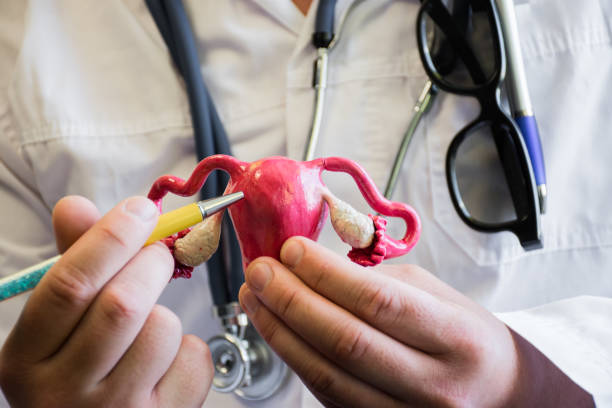
Uterus with ovaries and doctor. Doctor in white medical lab coat with stethoscope around his neck shows and indicates to the patient on uterus. Concept photo for use as teaching subject for patient Uterus with ovaries and doctor. Doctor in white medical lab coat with stethoscope around his neck shows and indicates to the patient on uterus. Concept photo for use as teaching subject for patient Endometriosis stock pictures, royalty-free photos & images

Endometriosis is often misunderstood as a condition that only involves painful periods. However, this oversimplifies the complexity of the disease, leading to delays in diagnosis and inadequate treatment for millions of individuals worldwide. It is crucial to understand the full scope of endometriosis and dispel the myth that it is simply “bad period cramps.

What Is Endometriosis?


– Ovaries
– Fallopian tubes
– Pelvic lining
– Bowels
– In rare cases, distant organs such as the lungs

Unlike menstrual cramps, which are a natural part of the menstrual cycle for some people, endometriosis can cause debilitating pain that is not limited to menstruation.

Symptoms Beyond Menstrual Cramps

The symptoms of endometriosis extend beyond painful periods (dysmenorrhea).

  • Chronic pelvic pain
  • Pain during intercourse (dyspareunia)
  • Painful bowel movements or urination, particularly during menstruation
  • Severe fatigue
  • Nausea and gastrointestinal issues such as bloating or diarrhea (often mistaken for IBS)

Some individuals experience no obvious symptoms but still face complications like infertility.

Symptom Frequency Among Patients (%) Notes
Chronic pelvic pain 70–80% Can occur even outside menstrual cycles
Dysmenorrhea 90% Often misdiagnosed as “normal” period pain
Dyspareunia 40–50% Impacts quality of life significantly
Fatigue 50–60% Overlaps with other conditions like fibromyalgia

Why It’s Not “Just Cramps”

Endometriosis causes systemic inflammation in addition to local tissue damage. The displaced endometrial-like tissue responds to hormonal changes just like regular uterine lining does—thickening, breaking down, and bleeding with each cycle. However, unlike normal menstruation where blood exits the body through the vagina, this blood becomes trapped within surrounding tissues.

  1. Scar Tissue Formation– Adhesions form when tissues stick together abnormally, causing further dysfunction and pain.
  2. Cysts– Known as endometriomas or “chocolate cysts,” these fluid-filled sacs may develop on ovaries.
  3. Nerve Involvement– Some lesions directly affect nearby nerves, intensifying pain sensations.

Psychological and Social Impact

The chronic nature of endometriosis can take an emotional toll on individuals who suffer from it. Frequent pain attacks may lead to anxiety over daily activities or intimacy issues due to dyspareunia.

  • Work productivity may decline due to regular absences caused by pain or fatigue.
  • Relationships might strain because partners often do not fully understand its severity.
  • Mental health disorders such as depression are more prevalent among those with unmanaged symptoms.

Dispelling Harmful Misconceptions

Labeling endometriosis as “just bad cramps” invalidates patient experiences and dismisses their suffering. It also contributes to delayed diagnoses—on average taking 7–10 years from symptom onset—because healthcare providers may underestimate its severity.

Treating patients holistically through medical management (e. g. , hormonal therapies), surgical intervention when needed (e. g. , excision surgery), and psychological support can improve outcomes significantly.

Understanding that endometriosis is a multifaceted disease affecting physical, mental, and social well-being, rather than merely “menstrual discomfort,” fosters empathy and encourages better care strategies for patients worldwide.

Finding an Endometriosis Specialist in Washington DC to Address Common Misconceptions

A commonly perpetuated myth surrounding endometriosis is that pregnancy serves as a cure for this chronic condition. While pregnancy may temporarily alleviate some symptoms for certain individuals, it is not an effective or permanent solution. Here’s a deeper dive into why this misconception persists and why it does not hold true.

Origins of the Myth

The belief that pregnancy cures endometriosis likely stems from historical observations of symptom relief during pregnancy. Changes in hormone levels, particularly increased progesterone, can lead to a reduction in pain and other symptoms associated with the condition. However, this temporary relief should not be mistaken for a cure.

Why Pregnancy Does Not Cure Endometriosis

Endometriosis is a complex condition with no single definitive cause or cure. Pregnancy may mask symptoms, but it does not address the underlying issue—endometrial-like tissue growing outside the uterus.

  • Hormonal Changes are Temporary: During pregnancy, elevated progesterone levels may suppress endometrial tissue growth. However, once hormonal levels return to normal postpartum, symptoms can reappear.
  • Not All Cases Improve: For some individuals, endometriosis-related symptoms persist or even worsen during pregnancy due to factors such as adhesions or inflammation.
  • Tissue Remains: The abnormal endometrial-like tissue does not disappear during pregnancy. It remains in the body and can continue to cause pain and other complications.

Common Postpartum Realities for Those with Endometriosis

After childbirth, many people experience a resurgence of their endometriosis symptoms.

  • Resumption of Menstrual Cycles: Hormonal fluctuations tied to menstruation often reignite symptoms.
  • Breastfeeding Impact: While breastfeeding may delay ovulation and menstruation in some cases (temporarily relieving symptoms), it cannot prevent the progression of endometriosis long-term.
  • Delayed Treatment: Believing that pregnancy will resolve their condition may lead some individuals to postpone seeking appropriate treatment.

Alternatives to Long-Term Symptom Management

Effective management of endometriosis requires a comprehensive approach tailored to each individual’s needs.

  1. Oral contraceptives
  2. GnRH agonists/antagonists
  3. Progestin therapy
  4. Laparoscopy to remove lesions
  5. Excision surgery for more severe cases
  6. Anti-inflammatory diets
  7. Regular exercise
  8. Stress management techniques
  9. Over-the-counter or prescription medications
  10. Pelvic physical therapy
Treatment Type Pros Cons
Hormonal Treatments Non-invasive; regulates hormones Side effects; not suitable for all
Surgical Interventions Can directly remove lesions Invasive; potential recurrence
Lifestyle Adjustments Low-risk; improves overall health Requires time/commitment
Pain Management Immediate relief Does not treat underlying cause

Key Takeaways

While pregnancy can temporarily reduce certain symptoms associated with endometriosis due to hormonal changes, it is neither a cure nor an appropriate treatment strategy for most individuals living with this condition. It’s essential for those affected by endometriosis to access accurate information and work closely with healthcare providers to develop personalized care plans that address both short-term relief and long-term health outcomes.

Understanding that effective management often includes a combination of medical interventions and lifestyle changes empowers individuals coping with this challenging condition to make informed decisions about their care.

Understanding Endometriosis and the Benefits of Surgery in Washington DC

Endometriosis is often misunderstood as a condition that solely affects the reproductive system. However, this chronic disease can impact various other bodily systems, significantly influencing overall health and quality of life. Understanding its far-reaching effects is essential for both patients and healthcare providers.

The Systemic Nature of Endometriosis

While endometriosis primarily involves the growth of endometrial-like tissue outside the uterus, it can extend beyond the pelvic region. These misplaced tissues can trigger inflammation, scarring, and organ dysfunction throughout the body.

  • Digestive System:
    Many individuals with endometriosis report gastrointestinal symptoms such as bloating, diarrhea, constipation, or nausea. This is particularly common when the condition affects organs like the bowel or rectum.
  • Urinary System:
    Endometrial lesions can attach to or invade structures like the bladder or ureters, leading to painful urination (dysuria), urinary urgency or frequency, and even blood in urine.
  • Musculoskeletal System:
    Chronic pelvic pain caused by endometriosis can lead to secondary issues like tension in surrounding muscles or referred pain to areas such as the lower back and thighs.
  • Nervous System:
    Studies suggest that prolonged inflammation from endometriosis may alter nerve pathways, contributing to heightened pain sensitivity—a process known as central sensitization. This can result in widespread pain even in areas not directly affected by lesions.

Common Symptoms Outside Reproductive Health

Bodily System Common Symptoms
Digestive Bloating (“endo belly”), nausea, IBS-like symptoms
Urinary Painful urination, blood in urine
Musculoskeletal Back pain, hip pain
Nervous Chronic fatigue, headaches

Mental Health Impacts

The physical toll of endometriosis often leads to psychological challenges.

  • Anxiety related to symptom management.
  • Depression stemming from chronic illness burdens.
  • Social isolation due to limitations caused by pain or fatigue.

It is crucial for care plans to address mental health alongside physical symptoms.

Rare but Significant Complications

  1. Thoracic Endometriosis Syndrome (TES): This occurs when endometrial tissue grows in or around the lungs. Symptoms might include chest pain and difficulty breathing during menstruation.
  2. Diaphragmatic Involvement: Some individuals experience shoulder pain due to irritation near the diaphragm caused by lesions.

These cases highlight how unpredictable and widespread endometrial tissue growth can be.

Managing Whole-Body Effects

Given its systemic nature, managing endometriosis requires a multidisciplinary approach that goes beyond gynecological care.

  1. Working with gastroenterologists for bowel-related symptoms.
  2. Consulting urologists if urinary tract involvement occurs.
  3. Collaborating with physical therapists for musculoskeletal support.
  4. Accessing mental health professionals for emotional well-being.

Patients benefit most when treatment plans are tailored not only to alleviate reproductive symptoms but also address secondary effects on other systems in their bodies.

Understanding how deeply this condition impacts overall health fosters greater awareness and empathy toward those living with it while emphasizing the need for comprehensive care strategies tailored to each individual’s unique experiences with endometriosis.

Abdominal pain Young woman having abdominal pain Endometriosis stock pictures, royalty-free photos & images

Finding the Right Endometriosis Doctor in Washington DC: Understanding the Impact Beyond Reproductive Health

Endometriosis is often viewed as a condition solely affecting the reproductive system, but its impact extends far beyond. While the disease is characterized by the presence of endometrial-like tissue outside the uterus, it can lead to systemic effects that influence multiple parts of the body. Understanding these broader implications is essential for comprehensive care and support for those living with this condition.

Systems Impacted by Endometriosis

  1. Gastrointestinal System– Many individuals with endometriosis report digestive symptoms, such as: – Bloating – Nausea – Diarrhea or constipation – Painful bowel movements (especially during menstruation) – Endometriosis lesions can form on or near organs like the intestines or rectum, exacerbating these issues.
  2. Urinary System – Bladder-related symptoms may include: – Painful urination – Increased urgency and frequency – Blood in urine, particularly during menstruation
    – These symptoms typically occur if endometrial tissue affects the bladder or urinary tract.
  3. Musculoskeletal System – Chronic pelvic pain caused by endometriosis can contribute to: – Lower back pain
    – Hip pain
    – Leg discomfort or sciatic nerve involvement (if lesions are present near nerves)
  4. Immune System– Research suggests that endometriosis may be linked to immune dysfunction.

Mental Health and Emotional Well-being

Living with endometriosis often has profound psychological effects due to chronic pain, fatigue, and misdiagnoses.

  • Anxiety:Often stemming from unpredictable flare-ups.
  • Depression:Linked to feelings of helplessness and isolation.
  • Sleep disturbances:Chronic pain can interfere with restorative sleep cycles, compounding fatigue.
  • Impact on relationships:Pain during intimacy or limitations in daily activities can strain interpersonal connections.

Addressing mental health alongside physical symptoms is crucial for holistic treatment approaches.

Long-Term Implications

System/Area Potential Complication
Reproductive organs Adhesions and ovarian cysts (endometriomas)
Gastrointestinal system Intestinal obstructions
General health Chronic fatigue syndrome

Importance of Multidisciplinary Care

Given how extensively endometriosis affects various systems and overall well-being, a multidisciplinary approach is recommended for effective management.

  • Gynecologists:To address reproductive health concerns.
  • Gastroenterologists:For digestive system involvement.
  • Pain management experts:To mitigate chronic discomfort.
  • Mental health professionals:Offering support for emotional challenges.

By recognizing that endometriosis impacts more than just reproductive organs, healthcare providers can create tailored treatment plans that address both physical and emotional dimensions of this condition.

Understanding Why Hysterectomy Isn’t the Solution According to an Endometriosis Expert in Washington DC

When it comes to treating endometriosis, there is a widespread belief that a hysterectomy—surgical removal of the uterus—is a definitive cure. However, this is not accurate. While a hysterectomy can be part of a treatment plan for some individuals, it does not address all aspects of endometriosis and may leave patients with unresolved symptoms.

Key Reasons Why Hysterectomy Is Not a Cure

  1. Endometriosis involves the growth of endometrial-like tissue outside the uterine cavity.
  2. These lesions can appear on the ovaries, fallopian tubes, bladder, bowel, diaphragm, and other areas.
  3. A hysterectomy only removes the uterus and does not eliminate lesions in other parts of the body.
  4. Even after a hysterectomy, residual endometrial implants may cause ongoing pain and inflammation.
  5. If lesions are not thoroughly removed during surgery, symptoms such as pelvic pain or bowel discomfort can persist.
  6. For many individuals with endometriosis, hormonal changes play a significant role in symptom management.
  7. If ovaries are left intact during surgery (in cases where only the uterus is removed), they continue to produce hormones that may stimulate remaining lesions.
  8. Even with ovary removal (oophorectomy), some patients experience continued symptoms due to estrogen production in other tissues.
  9. Long-term pain from endometriosis is not solely caused by active lesions; nerve sensitization and scarring (adhesions) contribute significantly.
  10. Removing the uterus does nothing to directly address these sources of chronic pain.

Comparing Treatments: Hysterectomy vs Other Options

Treatment Approach How It Works Limitations
Hysterectomy Removes uterus to potentially alleviate uterine-specific pain May not address extra-uterine endometrial lesions; irreversible
Excision Surgery Thoroughly removes all visible endometrial implants Requires highly skilled specialists; recurrence is possible
Hormone Therapy Reduces estrogen levels to suppress lesion growth Temporary relief; side effects such as mood swings or bone density loss
Pain Management Strategies Addresses chronic pain through medications or physical therapy Symptom-focused and does not treat underlying cause

Considerations for Patients

While hysterectomy might benefit certain individuals whose primary issues stem from uterine conditions (e. g. , adenomyosis), it should never be considered an automatic solution for managing endometriosis. Factors such as age, severity of disease progression, fertility goals, and overall health must be carefully evaluated before deciding on surgery.

Patients are encouraged to seek multidisciplinary care involving specialists in gynecology, pelvic pain management, and minimally invasive surgery to explore alternatives suited to their unique needs.

Final Thoughts

Understanding that hysterectomies are not universally effective for resolving all aspects of endometriosis helps dispel misconceptions about treatment options. Comprehensive care requires addressing both the physical manifestations of the disease as well as its impact on quality of life through personalized interventions tailored to each individual’s circumstances.

Exploring Insights at the Endometriosis Center Washington DC on Why Endometriosis Isn’t Always Linked to Infertility

Endometriosis is often associated with infertility, leading many to assume that all individuals with the condition will struggle to conceive. However, while there is a connection between endometriosis and fertility challenges, it is important to understand that not everyone with endometriosis experiences infertility. This misconception can create unnecessary fear and stigma surrounding the condition.

Understanding the Relationship Between Endometriosis and Fertility

Though these factors can contribute to fertility issues, they do not guarantee infertility for every individual with endometriosis.

  • Severity Matters:
    The severity of endometriosis plays a significant role in its impact on fertility. The American Society for Reproductive Medicine categorizes endometriosis into four stages—minimal (Stage I), mild (Stage II), moderate (Stage III), and severe (Stage IV). Those with Stage III or IV may have a higher likelihood of experiencing fertility challenges due to extensive scar tissue or ovarian damage.
  • Location of Lesions:
    The placement of endometrial-like growths also influences fertility outcomes.
  • Endometrial lesions on the ovaries may interfere with ovulation.
  • Growths near fallopian tubes may block egg movement.
  • Natural Fertility Rates:

Why Endometriosis Does Not Always Lead to Infertility

  1. Normal Ovulation Can Occur:
    In many cases, ovulation remains unaffected by endometrial growths, allowing eggs to be released regularly.
  2. Unblocked Fallopian Tubes:
    For patients without severe adhesions or blockages in their reproductive organs, sperm can still travel easily to fertilize an egg.
  3. Successful Treatment Options Exist:
    Treatments such as laparoscopic surgery to remove lesions or hormonal therapies can improve chances of conception for those facing challenges.
  4. Assisted Reproductive Technologies (ART):
    Many individuals with more advanced stages of endometriosis have successfully conceived through ART such as in vitro fertilization (IVF).
Stage Impact on Fertility Treatment Options
Stage I/II Minimal effect; pregnancy often possible without intervention Hormonal management; lifestyle changes
Stage III/IV Greater risk of infertility; structural damage likely Surgery; IVF options

Myths About Endometriosis and Infertility

  • “All women with endometriosis are infertile. ” – This is false as natural conception is often possible depending on individual circumstances.
  • “Fertility equals no endometriosis. ” – Even those who successfully conceive may have active endometrial lesions.
  • “Pregnancy cures infertility caused by endo. ” – While pregnancy can temporarily lessen symptoms for some individuals due to hormonal changes, it does not eliminate underlying conditions nor guarantee future pregnancies.

Supporting Fertility With Endometriosis

  • Early diagnosis and treatment
  • Monitoring ovulatory cycles
  • Exploring surgical removal of problematic lesions
  • Consulting fertility specialists for tailored plans

Understanding that every case is unique helps reduce unnecessary fear surrounding this condition while ensuring proper education about available treatment paths for those managing both their reproductive health and their journey toward conception.

The Challenges of Diagnosing Endometriosis and Why It’s Often Misunderstood

Endometriosis is a complex chronic condition, yet it remains one of the most misunderstood health issues in medicine. The difficulty in diagnosing endometriosis often stems from its wide array of symptoms, overlapping conditions, and the limitations of current diagnostic tools. Below, we explore the key challenges associated with diagnosing this condition and why these barriers persist.

Symptoms Mimic Other Conditions

One of the primary reasons endometriosis is so difficult to diagnose lies in its ability to mimic other medical conditions.

This symptom overlap often leads to misdiagnoses, delayed treatments, or patients being dismissed altogether.

Lack of Non-Invasive Diagnostic Tools

Currently, laparoscopic surgery remains the gold standard for diagnosing endometriosis. While highly accurate, it is an invasive procedure requiring anesthesia and recovery time. Non-invasive methods such as imaging techniques (ultrasound or MRI) may help identify large lesions or cysts caused by endometriosis but cannot reliably detect smaller areas of disease. This lack of accessible diagnostic tools contributes to prolonged delays between the onset of symptoms and a definitive diagnosis.

Variability in Symptoms

Not all individuals with endometriosis experience the same symptoms. Some may endure debilitating pain, while others remain asymptomatic despite having advanced disease stages. This variability can result in underdiagnosis or physicians dismissing symptoms due to an assumption that “mild” cases do not require further exploration.

Limited Awareness Among Healthcare Providers

Despite increased awareness efforts about endometriosis in recent years, many healthcare providers still have limited training or experience with this condition.

  • Patients may face dismissive attitudes regarding their pain.
  • Symptoms may be attributed solely to psychological factors like stress.
  • Referrals for specialist care might be unnecessarily delayed.

Average Diagnosis Timeline

Studies suggest that it takes an average of 7–10 yearsfrom the onset of symptoms for patients to receive a formal diagnosis of endometriosis. This extended timeline can have significant consequences on physical health, mental well-being, and overall quality of life.

Key Statistics Details
Average Diagnosis Time 7–10 years
Common Age Range at Symptom Onset 15–25 years
Percentage Misdiagnosed Initially Up to 50%

Stigma Surrounding Menstrual Health

Cultural stigma surrounding menstrual health can pose additional challenges for those seeking help for possible endometriosis-related symptoms. Many individuals feel embarrassed discussing issues like painful periods or heavy bleeding due to societal taboos around menstruation.

Improving Diagnosis Timelines

  1. Education for Healthcare Providers:Increasing awareness about atypical presentations and coexisting conditions among physicians.
  2. Advancement in Diagnostic Research:Developing reliable non-invasive screening methods.
  3. Empowering Patients:Encouraging individuals to advocate for themselves when their pain is dismissed or minimized.
  4. Awareness Campaigns:Reducing stigma through public health initiatives focused on menstrual health literacy.

Improved understanding combined with earlier intervention could significantly enhance outcomes for those living with this condition while minimizing its long-term impact on quality of life and overall health outcomes.


Understanding Washington Endometriosis and Its Impact on Your Health

Menstrual pain stomachache medical healthcare concept. Hands of young woman on stomach as suffer from pelvic, cramp, indigestion, gastrointestinal, diarrheas or female diseases problem Menstrual pain stomachache medical healthcare concept. Hands of young woman on stomach as suffer from pelvic, cramp, indigestion, gastrointestinal, diarrheas or female diseases problem Endometriosis stock pictures, royalty-free photos & images

In some cases, it may even extend to other parts of the body. Though non-cancerous, endometriosis can have significant implications for a person’s health and quality of life.

Characteristics of Endometriosis

  • Abnormal Tissue Growth: The endometrial-like tissue behaves similarly to normal uterine tissue during the menstrual cycle. However, because it is located outside the uterus, it has no way to exit the body.
  • Inflammation: The trapped tissue often leads to inflammation, scarring (adhesions), and cyst formation (endometriomas).
  • Chronic Pain: Many individuals experience pelvic pain that may become progressively worse over time.

Symptoms of Endometriosis

  • Chronic pelvic or abdominal pain
  • Painful intercourse (dyspareunia)
  • Pain during bowel movements or urination—especially during menstruation
  • Heavy or irregular menstrual bleeding
  • Infertility or difficulty conceiving
  • Fatigue, bloating, nausea, and other systemic symptoms

Health Impacts of Endometriosis

Endometriosis affects not only physical health but also emotional well-being and social functioning due to its potentially debilitating symptoms.

  1. Physical Discomfort: Chronic pain associated with this condition often disrupts daily activities.
  2. Mental Health Challenges: Living with persistent pain and uncertainty can lead to increased rates of anxiety and depression.
  3. Economic Burden: Managing this condition frequently involves costly treatments such as surgeries, medications, and assisted reproductive technologies.
Symptom/Impact Description
Chronic Pain Persistent discomfort in pelvis or abdomen
Heavy/Irregular Periods Excessive bleeding during menstruation
Fertility Challenges Difficulty achieving pregnancy
Psychological Effects Higher risk for anxiety and depression

Who Is at Risk?

  • Family history of endometriosis
  • Early onset menstruation
  • Longer menstrual cycles
  • Low body mass index (BMI)
  • Conditions that prevent proper menstrual flow out of the body

By understanding these risks alongside symptoms early on, patients can seek timely consultations with healthcare providers for diagnosis and management strategies tailored to their needs.

Finding the Right Endometriosis Specialist in Washington DC for Hormone Therapy Guidance

Hormone therapy is a widely used treatment option for managing endometriosis symptoms. However, like any medical treatment, it comes with both potential benefits and risks. Understanding these factors can help individuals make informed decisions alongside their healthcare providers.

Benefits of Hormone Therapy

Hormone therapy aims to manage the hormonal fluctuations that contribute to the growth of endometrial-like tissue outside the uterus.

  • Reduction in Pain: Many individuals experience significant relief from chronic pelvic pain, painful periods (dysmenorrhea), and pain during intercourse (dyspareunia).
  • Suppression of Disease Progression: By regulating or suppressing hormone production, hormone therapies can slow or stop the abnormal tissue growth associated with endometriosis.
  • Improved Quality of Life: Managing symptoms often allows patients to return to daily activities, improving overall physical and emotional well-being.
  • Non-Surgical Option: For some patients, hormone therapy offers an alternative to invasive surgical procedures such as laparoscopy or hysterectomy.

Common types of hormone therapy used for endometriosis include oral contraceptives, gonadotropin-releasing hormone (GnRH) agonists and antagonists, progestins, and intrauterine devices (IUDs) that release specific hormones.

Risks and Side Effects

While generally effective in symptom management, hormone therapy is not without risks or side effects.

  • Nausea
  • Weight gain or bloating
  • Mood changes or depression
  • Decreased libido
  • Hot flashes (especially with GnRH agonists)
  • Bone Density Loss: Prolonged use of medications like GnRH agonists without add-back therapy may lead to reduced bone density over time, increasing the risk of osteoporosis.
  • Temporary Symptom Relief: Hormone therapy does not cure endometriosis; symptoms may recur after stopping treatment.
  • Impact on Fertility: Certain therapies may temporarily suppress ovulation and menstruation, which could affect fertility during treatment.
Therapy Type Common Benefits Common Risks/Side Effects
Oral Contraceptives Symptom reduction; cycle regulation Nausea; mood changes; risk of blood clots
GnRH Agonists & Antagonists Strong suppression of symptoms Bone loss; hot flashes; fatigue
Progestins Relief from pain Weight gain; depression
Hormonal IUDs Localized relief with fewer systemic effects Irregular bleeding; cramping

Factors to Consider When Choosing Hormone Therapy

  1. Severity of Symptoms: Mild cases might respond well to oral contraceptives alone, while severe cases may require more aggressive approaches like GnRH agonists.
  2. Age and Fertility Goals: Women planning for future pregnancies should discuss how different treatments might affect their reproductive health.
  3. Medical History: Those with a history of blood clots, depression, or certain cancers may need alternative treatments.
  4. Side Effect Tolerance: Some patients may find certain side effects intolerable depending on their lifestyle or pre-existing conditions.

By weighing these risks and benefits carefully in collaboration with healthcare professionals, individuals can determine whether hormone therapy aligns with their goals for symptom management and long-term health outcomes.

Exploring Endometriosis Surgery Washington DC: Risks and Benefits of Hormone Therapy

While hormone therapy can be effective in reducing symptoms, it is essential to weigh its potential risks and benefits before making a decision. This section delves into both aspects to provide a balanced understanding.

Benefits of Hormone Therapy for Endometriosis

Hormone therapy works by regulating or suppressing hormones like estrogen, which play a key role in endometriosis progression.

  • Symptom Relief:
    Hormone therapy can significantly reduce pelvic pain, heavy menstrual bleeding, and painful periods by controlling or halting menstruation.
  • Prevention of Tissue Growth:
    By lowering estrogen levels or altering hormone cycles, hormone therapy may slow down or stop the growth of endometrial-like tissue outside the uterus.
  • Non-Surgical Option:
    For individuals who want to avoid surgery or are not candidates for surgical intervention, hormone therapy provides an alternative way to manage symptoms.
  • Improved Quality of Life:
    Reduced discomfort often leads to better physical well-being and mental health outcomes for those living with endometriosis.

Risks and Side Effects of Hormone Therapy

  1. Nausea
  2. Weight gain or bloating
  3. Mood swings or changes in emotional stability
  4. Headaches
  5. Bone Health Concerns:
    Some forms of hormone therapies (e. g. , Gonadotropin-releasing hormone agonists) can lead to reduced bone density over time if used long-term without supplemental medications like add-back therapy.
  6. Impact on Fertility:
    Suppression of ovulation during treatment may result in temporary infertility. Although this effect typically reverses after ceasing medication, it may be a concern for individuals trying to conceive.
  7. Cardiovascular Risks:
    Prolonged use of certain hormonal drugs may slightly increase risks such as blood clots or heart disease in predisposed individuals.

Comparing Options with a Table

Type Mechanism Pros Cons
Combined Oral Contraceptives Suppresses ovulation Widely available; reduces bleeding May cause nausea; not ideal for smokers
Progestin-only Therapies Reduces estrogen-related growth Effective against severe symptoms Irregular spotting; mood changes
GnRH Agonists Suppresses ovarian function Stops menstruation entirely Bone density loss; hot flashes
Levonorgestrel IUD Localized progestin delivery Long-term option; fewer systemic effects Device insertion may cause discomfort

Factors to Discuss with Your Doctor

Before starting any form of hormone therapy, discussing your individual circumstances with your healthcare provider is critical: – Personal medical history (e. g. , cardiovascular risk factors) – Desired outcomes (e. g.

Understanding both risks and benefits allows patients to make informed decisions tailored to their health needs and goals when addressing endometriosis through hormonal treatments.

Endometriosis, disease of the female reproduction system Endometriosis, disease of the female reproduction system Endometriosis stock pictures, royalty-free photos & images

How an Endometriosis Doctor Washington DC May Use Hormone Therapy to Manage Symptoms

Hormone therapy is often recommended by healthcare professionals as a treatment option for managing the symptoms of endometriosis. This approach focuses on regulating or suppressing hormonal activity to address the root cause of symptom progression, which is heavily influenced by estrogen levels in the body.

The Role of Hormones in Endometriosis

Estrogen plays a significant role in stimulating the growth and activity of endometrial-like tissue. By targeting hormonal pathways, treatments can help reduce or halt these effects.

Benefits of Hormone Therapy

  • Symptom Management:Hormone therapy can help alleviate common symptoms such as pelvic pain, painful periods (dysmenorrhea), and heavy menstrual bleeding.
  • Slowed Disease Progression:By suppressing ovulation or reducing estrogen levels, hormone therapy can limit further growth of endometrial-like tissue.
  • Non-Invasive Treatment Option:Compared to surgery, hormone therapy is less invasive and poses fewer immediate risks. It can be an alternative for individuals who want to avoid or delay surgical interventions like laparoscopy.
  • Improved Quality of Life:Many patients report significant reductions in pain and discomfort after undergoing hormone-based treatments, contributing to improved daily functioning and emotional well-being.

Types of Hormone Therapy Recommended by Doctors

Type Description Examples Potential Side Effects
Combined Hormonal Contraceptives Contain estrogen and progestin; regulate cycles and reduce menstrual flow Birth control pills; patches Nausea, headaches; slight clotting risk
Progestin-Only Options Suppress ovulation; shrink endometrial-like tissue Progesterone pills; IUDs Irregular bleeding; mood changes
GnRH Agonists Temporarily “shut down” ovarian function; induce medical menopause Leuprolide (Lupron), Goserelin Hot flashes; bone density loss
Aromatase Inhibitors Lower estrogen production throughout the body Letrozole Fatigue; joint pain

Factors Doctors Consider Before Prescribing Hormone Therapy

Not all patients are candidates for hormone therapy.

  1. Severity and Type of Symptoms: Mild cases might respond well to oral contraceptives while severe cases may require stronger interventions like GnRH agonists.
  2. Age: Younger patients with a long reproductive lifespan ahead might prefer reversible treatments that preserve fertility options.
  3. Fertility Goals: Women trying to conceive will not benefit from therapies that suppress ovulation or menstruation.
  4. Side Effect Tolerance: Some patients experience notable side effects with certain medications which might outweigh the benefits.

Hormone therapy remains one of the cornerstone approaches for managing endometriosis due to its ability to target underlying hormonal drivers while providing symptom relief for many individuals living with this condition. However, its effectiveness varies based on individual circumstances, emphasizing the need for a personalized approach guided by medical professionals.

Understanding Hormone Therapy With an Endometriosis Expert in Washington DC

Hormone therapy is widely considered a cornerstone of treatment for managing endometriosis-related symptoms. Its effectiveness, however, depends on various factors, including the severity of the condition, individual patient response, and adherence to the therapy plan. This section explores how hormone therapy works, its efficacy rates, and key considerations for patients exploring this treatment option.

Mechanism of Action: How Hormone Therapy Works

This tissue responds to hormonal changes during the menstrual cycle, leading to inflammation and pain.

  • Reduce or stop ovulation.
  • Suppress estrogen production, as estrogen fuels endometrial tissue growth.
  • Alleviate symptoms such as pelvic pain and heavy menstrual bleeding.
  1. Oral contraceptives(combination pills or progestin-only pills): These regulate hormones to reduce symptoms.
  2. GnRH agonists and antagonists: These suppress ovarian function and reduce estrogen levels.
  3. Progestins: These limit endometrial tissue growth by creating a hormone environment less conducive to its spread.
  4. Danazol: A less commonly used option that lowers estrogen levels but may cause androgenic side effects.

Efficacy Rates of Hormone Therapy

The success of hormone therapy varies based on individual cases and chosen treatments.

Type of Hormonal Treatment Common Outcomes
Oral contraceptives Reduction in pain severity; may prevent recurrence post-surgery
GnRH agonists/antagonists Effective for moderate-to-severe pain; potential side effects like bone loss if prolonged use
Progestins Significant symptom relief for many patients
Danazol Can reduce lesions but side effects often limit its use

Studies suggest that about 75–85% of women experience some level of symptom improvement with hormone-based treatments. Long-term effectiveness often depends on addressing recurrence risks after discontinuation.

Factors Influencing Effectiveness

  • Severity of Endometriosis:Advanced cases (stages III-IV) might require combined approaches, including surgery followed by hormonal suppression.
  • Adherence:Regular use as prescribed improves consistency in results.
  • Hormonal Tolerance:Some patients experience adverse reactions or cannot tolerate specific medications due to pre-existing conditions.

Limitations and Considerations

While hormone therapy is effective for managing symptoms in many cases, it is not curative.

  • Temporary relief: Symptoms may return after stopping treatment.
  • Side effects: Weight gain, mood swings, decreased bone density (especially with GnRH analogs), or other hormonal changes may occur depending on the medication used.
  • Suitability: Not all medications are appropriate for individuals trying to conceive or those with contraindications like clotting disorders.

For those seeking long-term solutions without surgical intervention, consistent communication with healthcare providers can help optimize outcomes from hormonal therapies while managing potential drawbacks effectively.

Personal Stories from the Endometriosis Center Washington DC About Managing Endometriosis with Hormone Therapy

The journey of managing endometriosis is deeply personal and varies greatly from one individual to another. Hormone therapy, as a common treatment option, has been both a source of relief and challenge for many. Below are shared experiences that highlight the diverse outcomes and perspectives of managing endometriosis with hormone therapy.

Navigating Early Symptoms and Finding Relief

For some individuals, hormone therapy has been a turning point in their battle against debilitating symptoms. One patient shared that after years of painful periods, fatigue, and misdiagnoses, they started on a hormonal contraceptive prescribed by their doctor.

  • Reduced menstrual pain
  • Fewer flare-ups of pelvic discomfort
  • More predictable cycles

However, this same individual also reported initial side effects such as mood swings and mild nausea, which subsided after the first few weeks of treatment.

Balancing Side Effects with Benefits

Another story involves someone who was prescribed a GnRH agonist to manage severe endometriosis pain.

  • Hot flashes
  • Decreased bone density
  • Emotional fluctuations

To counteract these issues, their physician recommended “add-back therapy,” which introduced small amounts of progesterone or estrogen to mitigate some side effects without compromising symptom relief.

A crucial takeaway from this experience is the importance of open communication with healthcare providers. Adjustments in dosages or complementary therapies can make hormone treatment more tolerable.

Symptoms Before Therapy Improvements Noted Side Effects Reported
Chronic pelvic pain Significant reduction in pain Hot flashes
Heavy menstrual bleeding Lighter periods Mood swings
Painful intercourse (dyspareunia) Improved comfort Decreased bone density

Alternative Perspectives on Hormone Therapy

While many have found relief through hormone therapy, others describe mixed or limited results.

  • One individual shared that oral contraceptives helped reduce cycle-related symptoms but didn’t fully address chronic pelvic pain.
  • Another reported that while Depo-Provera injections prevented menstruation altogether, they struggled with weight gain and persistent fatigue during treatment.

These stories emphasize that no single approach to managing endometriosis works universally for everyone. Exploring alternative management options alongside hormone therapy—such as physical therapy or dietary changes—can provide additional layers of support.

The Role of Individual Preferences

Personal preferences also play a role in deciding whether to pursue or continue hormone therapy. Some individuals prioritize symptom management over potential side effects, while others may opt out due to concerns about long-term impacts on fertility or overall health. Patients who feel empowered to advocate for themselves often report better satisfaction with their chosen path.

Ultimately, these stories underscore the importance of tailoring endometriosis treatment plans to fit each person’s unique needs and circumstances while maintaining regular dialogue with healthcare providers for optimal care outcomes.


Finding an Endometriosis Specialist in Washington DC: Myths and Facts You Should Know

Young woman suffering from menstrual pain on sofa at home Young woman suffering from menstrual pain on sofa at home Endometriosis stock pictures, royalty-free photos & images

Endometriosis is a complex and often misunderstood condition that affects millions of individuals worldwide. Despite its prevalence, misinformation surrounding the disease continues to create barriers to proper diagnosis, treatment, and understanding. By addressing common myths and contrasting them with facts, we can foster greater awareness and empower those affected by endometriosis.

Myth 1: Endometriosis is Just a “Bad Period”

Fact:
Endometriosis is much more than severe menstrual cramps. It occurs when tissue similar to the lining of the uterus (endometrium) grows outside of it, leading to chronic inflammation, scarring, and often debilitating pain. While painful periods are a common symptom, the condition can also cause:

  • Chronic pelvic pain
  • Pain during or after sexual intercourse
  • Bowel or urinary issues such as painful bowel movements or urination during menstruation
  • Fatigue

Some individuals with endometriosis may not experience any symptoms at all, further complicating diagnosis.

Myth 2: Pregnancy Cures Endometriosis

Fact:
While pregnancy may temporarily relieve symptoms for some due to hormonal changes that suppress ovulation, it is not a cure. After childbirth or once menstruation resumes, symptoms often return. Treatment should focus on long-term management tailored to an individual’s needs rather than relying on pregnancy as a solution.

Myth 3: Endometriosis Only Affects Women

Fact:
Endometriosis primarily affects individuals assigned female at birth; however, transgender men and non-binary individuals can also develop the condition. Inclusive healthcare practices are crucial for ensuring all patients receive proper care and support.

Myth 4: Surgery Completely Removes Endometriosis Forever

Fact:
Surgery such as laparoscopic excision can significantly alleviate symptoms by removing visible lesions caused by endometrial-like growths. However, recurrence rates are high because the underlying factors driving the disease remain incompletely understood. Proper post-surgical care combined with medical therapies may help reduce recurrence risks.

Understanding Endometriosis Surgery in Washington DC: Myths vs. Facts

Myth Fact
Endometriosis only causes bad periods It involves chronic pain beyond menstruation and systemic effects
Pregnancy cures endometriosis Symptoms may improve temporarily but return postpartum
Hormonal treatments always work Treatments vary; some respond better to surgery or lifestyle adjustments
Men cannot have endometriosis Trans men and nonbinary people can also be affected

Dispelling Myths About Finding an Endometriosis Doctor Washington DC

  1. Earlier Diagnosis: Many patients face years of misdiagnoses before receiving confirmation of their condition.
  2. Better Management Options: Understanding available treatments helps patients make informed choices in consultation with their healthcare providers.
  3. Improved Quality of Life: Dismissing myths encourages exploration of holistic management strategies that address both physical and emotional well-being.

Recognizing fact from fiction is an essential step toward improving outcomes for those living with this challenging condition.

Understanding Endometriosis with Insights from an Endometriosis Expert Washington DC

Endometriosis is a complex and often misunderstood condition that affects millions of individuals worldwide. Despite growing awareness, myths and misinformation surrounding the condition persist, leading to delays in diagnosis and inadequate care. Dispelling these myths is crucial to promoting better understanding, empathy, and support for those living with endometriosis.

Myth 1: Endometriosis is Just a “Bad Period”

One of the most pervasive myths about endometriosis is that it’s simply an exaggerated version of menstrual pain. However, this condition goes far beyond typical period discomfort.

Truth: – Endometriosis occurs when tissue similar to the lining of the uterus grows outside of it, causing inflammation, scarring, and even organ damage. – The pain associated with endometriosis can occur at any time during the menstrual cycle—not just during periods—and may vary from mild discomfort to debilitating levels. – Symptoms like fatigue, bowel or urinary issues, and infertility further distinguish endometriosis from typical menstrual cramps.

Myth 2: Pregnancy Cures Endometriosis

There is a widespread misconception that becoming pregnant can “cure” or significantly improve endometriosis symptoms.

Truth: – While some individuals may experience temporary symptom relief during pregnancy due to hormonal changes (such as increased progesterone), this is not a cure. – Symptoms often return after pregnancy or breastfeeding ends. – Relying on pregnancy as a treatment option can delay appropriate medical interventions.

Myth 3: Endometriosis Only Affects Older Women

Many people believe that endometriosis only affects women who are in their 30s or older, but this is far from accurate.

Truth: – Endometriosis can affect individuals as early as their first menstrual cycle (menarche) and impacts teens as well as young adults. – Early diagnosis is vital in managing symptoms and preventing complications later in life.

Myth 4: It’s Easy to Diagnose Endometriosis

Some think diagnosing endometriosis is straightforward because it’s a common gynecological issue. Unfortunately, this assumption overlooks the complexity of the disease.

Truth: – On average, it takes 7–10 years for many individuals to receive an accurate diagnosis due to vague symptoms resembling other conditions like IBS or pelvic inflammatory disease. – A definitive diagnosis often requires laparoscopic surgery since imaging scans may not detect all instances of endometrial lesions.

Why Busting Myths Matters

  1. Patients Can Advocate for Themselves: Accurate information empowers individuals to seek proper care and discuss symptoms openly with healthcare providers.
  2. Healthcare Providers Can Improve Diagnosis Rates: Greater awareness ensures doctors consider endometriosis earlier when evaluating pelvic pain or related symptoms.
  3. Society Gains Empathy: Dispelling myths reduces stigma while fostering understanding about what those with this condition endure daily.
Myth Reality
“It’s just bad cramps.” Endometrial tissue growth causes widespread pain unrelated to regular menstruation cycles.
“Pregnancy cures it.” Pregnancy may provide temporary relief but does not address underlying disease mechanisms.
“It affects only older women.” Teens and young adults can also develop endometriosis; early intervention matters significantly.

By fostering discussions rooted in facts rather than misconceptions, we create an environment where those living with endometriosis feel seen, heard, and supported throughout their healthcare journey.

Understanding Endometriosis: Insights from the Endometriosis Center Washington DC

Endometriosis is a complex medical condition that affects millions of individuals worldwide. Despite its prevalence, there is a significant amount of misinformation surrounding the condition. Dispelling common myths about endometriosis is critical for improving awareness, reducing stigma, and encouraging early diagnosis and treatment. Below, we address some widespread misconceptions and provide accurate information to empower those affected by the condition.

Myth 1: Endometriosis Is Just a “Bad Period”

One of the most pervasive myths is that endometriosis is simply an extreme form of menstrual discomfort. This misconception can lead to individuals dismissing their symptoms or delaying seeking medical attention. However, the truth is far more complex.

  • Fact: Endometriosis occurs when tissue similar to the lining of the uterus (endometrium) grows outside the uterus, often on the ovaries, fallopian tubes, or other pelvic organs. This growth can cause chronic inflammation, severe pain, and even infertility.
  • Key Differences: Unlike typical menstrual cramps, endometriosis pain can occur at any time during the menstrual cycle and may persist beyond menstruation.

Myth 2: Endometriosis Only Affects Reproductive Organs

Another misunderstanding is that endometriosis strictly impacts reproductive organs. While it primarily affects pelvic structures, it can extend beyond this area in certain cases.

  • Fact: In rare instances, endometrial-like tissue has been found in distant parts of the body such as the diaphragm or lungs.
  • Implications: Misconceptions about its location might limit proper diagnostic practices or delay care for less typical symptoms like chest pain or shortness of breath.
Myth Fact
Endometriosis affects only reproductive organs It may affect other areas such as the bowel, bladder, diaphragm, or even lungs in rare cases

Myth 3: Pregnancy Cures Endometriosis

The idea that pregnancy cures endometriosis remains a widely held belief despite being scientifically inaccurate.

  • Fact: While hormonal changes during pregnancy may temporarily alleviate symptoms for some individuals due to reduced ovulation and menstruation, this effect is not permanent. Symptoms often return after childbirth.
  • Takeaway: Treatment approaches should focus on individualized care rather than relying on pregnancy as a solution.

Why Dispelling Myths Matters

  1. Delayed Diagnosis: On average, it takes 7–10 years from symptom onset to receive an accurate diagnosis.
  2. Stigma: Misunderstandings may prevent open conversations about pain and reproductive health.
  3. Barriers to Care: Myths perpetuate stereotypes that marginalize those suffering from silent yet debilitating symptoms.

By addressing these myths with factual information backed by medical research and expert insights, we can create an informed community capable of supporting individuals living with endometriosis effectively.

Stomach ache symptom of irritable bowel syndrome, Chronic Diarrhea, Colon, stomach pain,Crohn’s Disease, Gastroesophageal Reflux Disease (GERD), gallstone,gastric pain, Appendicitis. Stomach ache symptom of irritable bowel syndrome, Chronic Diarrhea, Colon, stomach pain,Crohn’s Disease, Gastroesophageal Reflux Disease (GERD), gallstone,gastric pain, Appendicitis. Endometriosis stock pictures, royalty-free photos & images

Understanding the Truth Behind Myth 1: Endometriosis Always Causes Pain

Endometriosis is a complex condition that impacts millions of individuals worldwide, yet it remains one of the most misunderstood health issues. A pervasive myth is that endometriosis always causes pain. While pain is one of the most common symptoms associated with this condition, it’s essential to explore why this belief does not universally apply and how it can lead to misunderstandings about the nature of endometriosis.

Why Endometriosis Does Not Always Cause Pain

  1. Not everyone with endometriosis experiences noticeable symptoms.
  2. Some individuals are diagnosed during investigations for infertility, without ever reporting pelvic discomfort or other hallmark signs.
  3. The severity of symptoms does not always correlate with the extent or stage of endometrial tissue growth.
  4. Individuals with extensive lesions might have mild or no pain, while those with minimal disease may suffer from debilitating symptoms.
  5. Pain perception varies significantly among individuals due to factors like genetics, stress levels, and overall health.
  6. The placement of endometrial lesions affects whether or not pain manifests. For example:
    • Lesions near nerve endings and sensitive tissues may cause more discomfort.
    • Growths in less reactive areas might go unnoticed for years.

Implications of Believing This Myth

  • Delayed Diagnosis: Those without evident pain may dismiss their condition or have their concerns dismissed by healthcare providers, leading to delays in proper diagnosis and treatment.
  • Mental Health Impact: People who don’t fit the “typical” symptom profile may feel invalidated in their experiences.
  • Misguided Awareness Campaigns: Public health initiatives focusing solely on pelvic pain could overlook other critical aspects like infertility or bowel symptoms tied to endometriosis.

How Can We Better Understand This Condition?

Symptom/Effect Commonality Notes
Pelvic Pain Frequently reported Often worsens during menstruation but not universal
Infertility Many cases (~30-50% link) May be undiagnosed until attempting conception
Fatigue Highly reported Chronic low energy linked to systemic inflammation
Gastrointestinal Symptoms Common but often misdiagnosed as IBS Includes bloating, diarrhea, constipation
Asymptomatic Less common but significant Diagnosis often incidental during surgeries

Key Takeaways

  • Endometriosis does not always manifest through pain; its presentation varies widely among individuals.
  • Awareness and education should emphasize the full spectrum of associated symptoms rather than focusing solely on pelvic discomfort.
  • Both healthcare providers and patients must remain vigilant about atypical presentations for earlier diagnosis and intervention.

By debunking myths like this one, we pave the way for better understanding and support for those living with this multifaceted condition.

Exploring Washington Endometriosis: Does It Improve Over Time?

One of the most pervasive myths surrounding endometriosis is that the condition improves or resolves on its own over time. This misconception can delay proper diagnosis and treatment, leaving many individuals to suffer unnecessarily. In reality, endometriosis is a chronic condition that typically requires active management tailored to each individual’s unique needs.

Why This Myth Persists

  • Misunderstanding Hormonal Changes: Some people believe menopause will “cure” endometriosis because of the reduction in estrogen levels. However, in some cases, symptoms persist even after menopause.
  • Inconsistent Symptom Patterns: For some individuals, symptoms may fluctuate over time, leading to the false impression that the condition is improving.
  • Delayed Diagnosis: Many people live with undiagnosed endometriosis for years, often attributing symptom changes to other factors like stress or aging.

The Truth About Endometriosis Progression

  1. Endometriosis is a chronic condition where endometrial-like tissue grows outside the uterus.
  2. Without treatment or management, these lesions can continue to grow and cause complications.
  3. Estrogen typically fuels the growth of endometrial-like tissue, meaning symptoms may persist during reproductive years.
  4. Menopause does not guarantee relief; some individuals experience continued symptoms due to residual lesions or hormone therapy.
  5. If left untreated, endometriosis can lead to severe pelvic pain, infertility, and adhesions that affect surrounding organs like the bladder and bowel.

Evidence-Based Management Strategies

Treatment Approach Description Effectiveness
Hormonal Therapy Includes birth control pills, GnRH agonists/antagonists, or progestin-based treatments Reduces estrogen-driven lesions
Pain Management Use of NSAIDs (e.g., ibuprofen) for pain relief Alleviates pain temporarily
Surgical Intervention Laparoscopy to remove lesions and scar tissue Improves fertility outcomes
Lifestyle Modifications Regular exercise, anti-inflammatory diet May reduce inflammation

Key Takeaways

  • Endometriosis does not naturally improve over time without medical intervention.
  • Symptom patterns can vary but require long-term management tailored to individual needs.
  • Evidence-based treatments such as hormonal therapy and surgery are effective in managing disease progression.

By addressing this myth with accurate information, we empower those living with endometriosis to seek timely care rather than relying on misconceptions about its natural course over time.

How to Prioritize Your Health When Living with Endometriosis

Living with endometriosis can be challenging, but prioritizing your health is essential for managing symptoms, improving your quality of life, and maintaining long-term well-being. This involves a combination of lifestyle changes, medical care, and mental health strategies. Below are practical steps and considerations to help individuals with endometriosis take control of their health.

1. Establish a Strong Support System

Having people who understand and support you makes a significant difference in coping with endometriosis.
Build a healthcare team: Find an experienced gynecologist or specialist familiar with endometriosis treatment options.
Join support groups: Sharing experiences with others facing similar challenges can provide validation, advice, and encouragement.
Involve loved ones: Educate family members or close friends about the condition so they can offer emotional and practical support when needed.

2. Focus on Nutrition

What you eat can impact inflammation levels in the body and potentially ease some symptoms associated with endometriosis. Consider incorporating these dietary habits:
Anti-inflammatory foods: Include foods like leafy greens, fatty fish (salmon), berries, turmeric, and nuts that may reduce inflammation.
Limit processed foods: Avoid excessive consumption of processed snacks, sugary drinks, and foods high in saturated fats as they may exacerbate symptoms.
Stay hydrated: Drinking plenty of water daily supports overall health and may help alleviate bloating caused by inflammation.

Foods to Include Foods to Avoid
Leafy greens Processed snacks
Omega-3-rich fish Red meats (in excess)
Whole grains Fried or greasy foods
Fruits (berries) Sugary beverages

3. Manage Stress Effectively

Stress doesn’t cause endometriosis but can intensify its symptoms by affecting hormonal balance or increasing pain perception. Effective stress management techniques include:
Mindfulness practices: Try meditation or deep breathing exercises to calm the mind and reduce anxiety.
Physical activity: Low-impact exercises like yoga or swimming improve blood circulation while promoting relaxation. – Counseling or therapy: Speaking with a therapist trained in chronic illness management can help you develop coping strategies for emotional challenges.

4. Develop Healthy Physical Habits

Taking care of your body through movement and rest is critical for symptom relief:
– Get enough sleep: Aim for 7–9 hours each night to allow the body time to repair itself. – Exercise regularly: Engage in low-impact movements tailored to your comfort level; even light stretching can relieve pelvic tension. – Rest when needed: Listen to your body’s signals—overexertion may worsen fatigue or pain.

5. Stay Informed About Treatment Options

Endometriosis treatment is not one-size-fits-all; it often requires trial-and-error approaches tailored to individual needs: – Medical treatments such as hormonal therapies (e.g., birth control pills) are helpful for regulating cycles. – Surgery like laparoscopy may be recommended if other treatments fail or if severe adhesions develop. – Complementary therapies such as acupuncture might also assist in pain relief—consult your doctor before exploring alternative options.

6. Monitor Symptoms Regularly

Keeping track of how you feel day-to-day allows both you and your healthcare provider to better manage the condition: – Use symptom-tracking apps specifically designed for menstrual disorders. – Record key details like pain intensity/location/duration alongside factors such as diet changes or medications taken.

By developing self-awareness around recurring patterns within symptom flare-ups helps guide decision-making moving forward clarifying “what works best.”

Prioritizing oneself becomes empowering tool gaining healthier balance

How to Prioritize Your Health When Living with Endometriosis

Living with endometriosis can be physically and emotionally challenging, but taking a proactive approach to managing your health can make a significant difference. Below are actionable steps and strategies that can help prioritize your well-being while living with this condition.

Develop a Personalized Treatment Plan

Work closely with a healthcare provider to create a treatment plan tailored to your needs. This plan may include:
Medications: Pain relievers, hormonal therapies, or other prescribed treatments.
Surgical Options: In some cases, minimally invasive surgery might be recommended to remove endometrial lesions.

Regular follow-ups are essential to assess the effectiveness of your treatment and adjust it as necessary.

Adopt a Balanced Diet

While there is no specific diet for endometriosis, certain foods may help reduce inflammation and manage symptoms effectively:
Anti-inflammatory Foods: Leafy greens, berries, turmeric, ginger, and fatty fish like salmon.
High-Fiber Foods: Whole grains, legumes, fruits, and vegetables to support hormone regulation.
Avoid Trigger Foods: Minimize processed foods, caffeine, alcohol, and high-sugar items that may exacerbate symptoms.

Suggested Foods Benefits
Leafy Greens Reduce inflammation
Fatty Fish High in omega-3s for pain management
Whole Grains Support hormonal balance

Manage Stress Levels

Living with chronic pain can increase stress levels, which may worsen symptoms over time. Consider incorporating stress-management techniques into your daily routine:
Mindfulness Practices: Meditation or yoga can promote relaxation.
Therapy or Counseling: Talking with a therapist can provide emotional support and coping strategies for managing the psychological effects of the condition.

Exercise Regularly at Your Own Pace

Engaging in physical activity—tailored to your energy levels—can improve circulation and alleviate some symptoms of endometriosis-related pain. Low-impact exercises such as walking, swimming, or Pilates are often well-tolerated and beneficial for many individuals.

Track Your Symptoms

Keeping a symptom journal can provide valuable insights into triggers or patterns linked to flare-ups. Key factors to track include:
1. Pain intensity and duration. 2. Menstrual cycle details. 3. Dietary habits. 4. Physical activity levels.

This information will not only help you better understand your body but also assist doctors in fine-tuning treatments.

Build a Support Network

Having people who understand what you’re experiencing is invaluable when dealing with chronic conditions like endometriosis:
– Join support groups (online or in-person) specifically for those living with endometriosis. – Lean on friends or family members for practical assistance during difficult periods.

Advocate for Yourself During Medical Appointments

Educating yourself about endometriosis empowers you to advocate for better care during medical appointments: – Prepare questions beforehand about treatment options or new symptoms. – Be open about how the condition impacts daily life so healthcare providers have a complete picture of your health needs.

By implementing these strategies into everyday life, individuals living with endometriosis can take meaningful steps toward maintaining their overall health while managing this complex condition effectively.